
Benafica is a health benefits and insurance company that helps employers offer flexible, tax-free health reimbursement plans instead of traditional group health insurance.
ICHRA Compliance

On This Page
ICHRA Compliance Guide
ICHRA gives employers more flexibility in how they offer health benefits, along with a few important rules to follow. From setting up your benefit to sending employee notices, handling reimbursements, and filing required IRS forms, compliance is part of the process from day one. Getting these details right helps you avoid penalties and confusion while keeping your benefit running smoothly.
Benafica helps you keep track of the details that keep your ICHRA compliant. Our BEN360 platform simplifies administration and helps manage key requirements, giving you more time to focus on your business. New to ICHRA? Visit our ICHRA overview page to learn how it works.
The 90-Day Notice Requirement
Employee notices are an important part of getting your ICHRA ready for the year ahead. Generally, employers must provide eligible employees with a written notice at least 90 calendar days before each plan year begins. This gives employees time to understand their allowance, compare health plans, and get coverage in place.
For a January 1 start date, the notice deadline is October 3. If your plan starts in a different month, count back 90 calendar days from the start date.
Are There Exceptions to the 90-Day Rule?
Yes, but offering ICHRA for the first time does not automatically remove the 90-day requirement.
New businesses: If your business was established fewer than 120 days before the start of its first ICHRA plan year, you can provide the notice by the date the benefit first takes effect for the employee.
Newly eligible employees: Employees who become eligible after the annual notice goes out, such as new hires or employees completing a waiting period, must receive their notice no later than the date their ICHRA can first take effect.
For employees already eligible for an existing ICHRA, the annual 90-day deadline still applies. Even when an exception allows a shorter timeline, sending notices as early as possible gives employees more time to choose coverage.
Who Must Receive the Notice?
Everyone eligible for the ICHRA must receive a notice, whether they plan to participate or decline the benefit. This includes eligible former employees if your plan covers them.
Employees in a class that is not offered ICHRA do not need an ICHRA notice.
What Must the Notice Include?
The notice should help employees understand what you are offering and what they need to do next. Required information includes:
- Benefit details
- Plan dates
- Coverage requirements
- The option to decline
- Marketplace subsidy rules
- Information to share with the Marketplace
- Proof of coverage
- What happens if coverage ends
- Special enrollment rights
- Help and recordkeeping
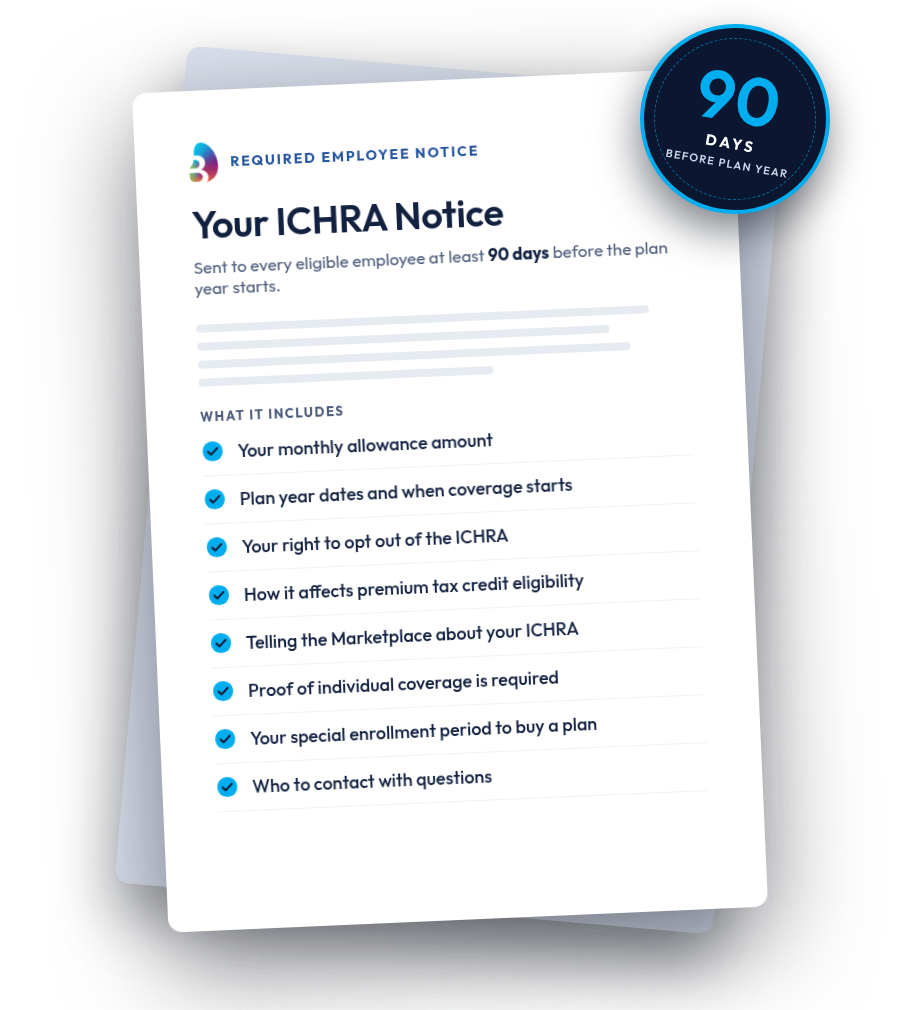
Benafica generates compliant ICHRA notices for plan sponsors before launch, prepopulating each employee’s specific allowance amount and plan year details before distribution.
Substantiation and Documentation Requirements
Before an ICHRA expense can be reimbursed, employees need to provide documentation showing it is eligible under the plan. Employers must have a process for reviewing and confirming those expenses. Skipping this step can put the reimbursement’s tax-free status at risk.
What Employees Must Submit
Employees need to confirm their health coverage and provide documentation for eligible expenses, but that does not mean more paperwork for your team. Benafica handles the review and processing through BEN360.
If Your ICHRA Covers Premiums Only
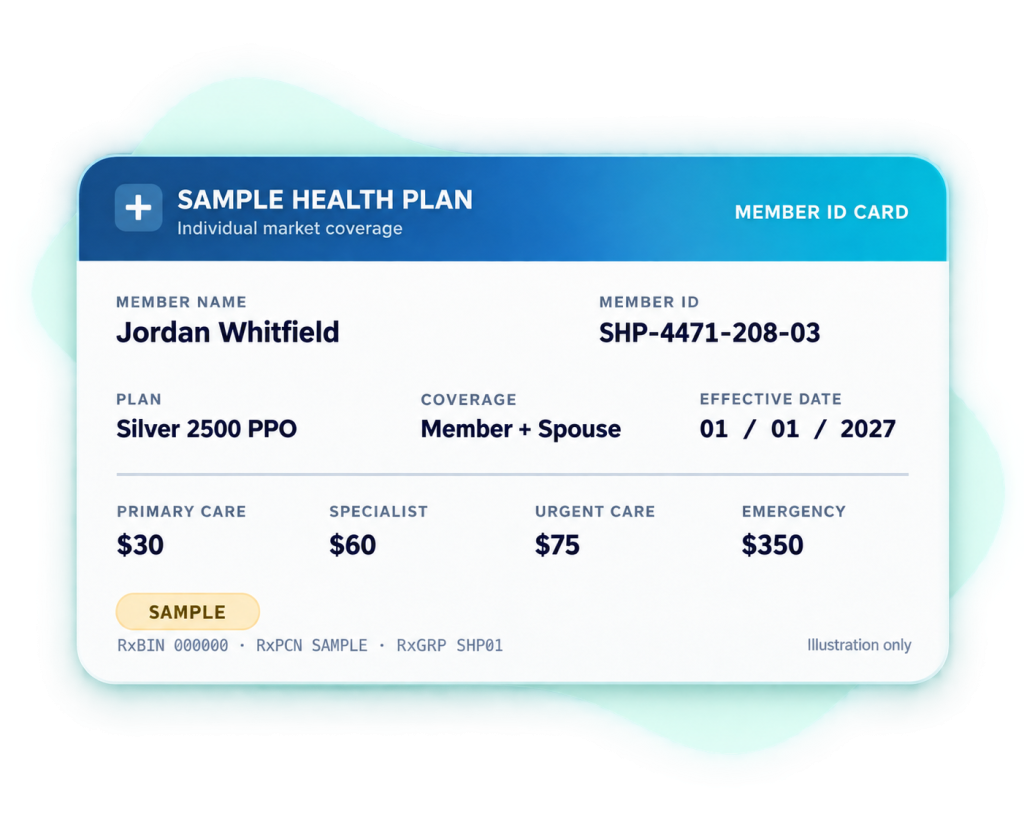
Coverage verification and premium administration are handled through BEN360. Employees choose their coverage and premium information through the platform, and Benafica takes care of the details. Your team does not need to collect insurance documents or review individual premium expenses.
If Your ICHRA Also Covers Medical Expenses
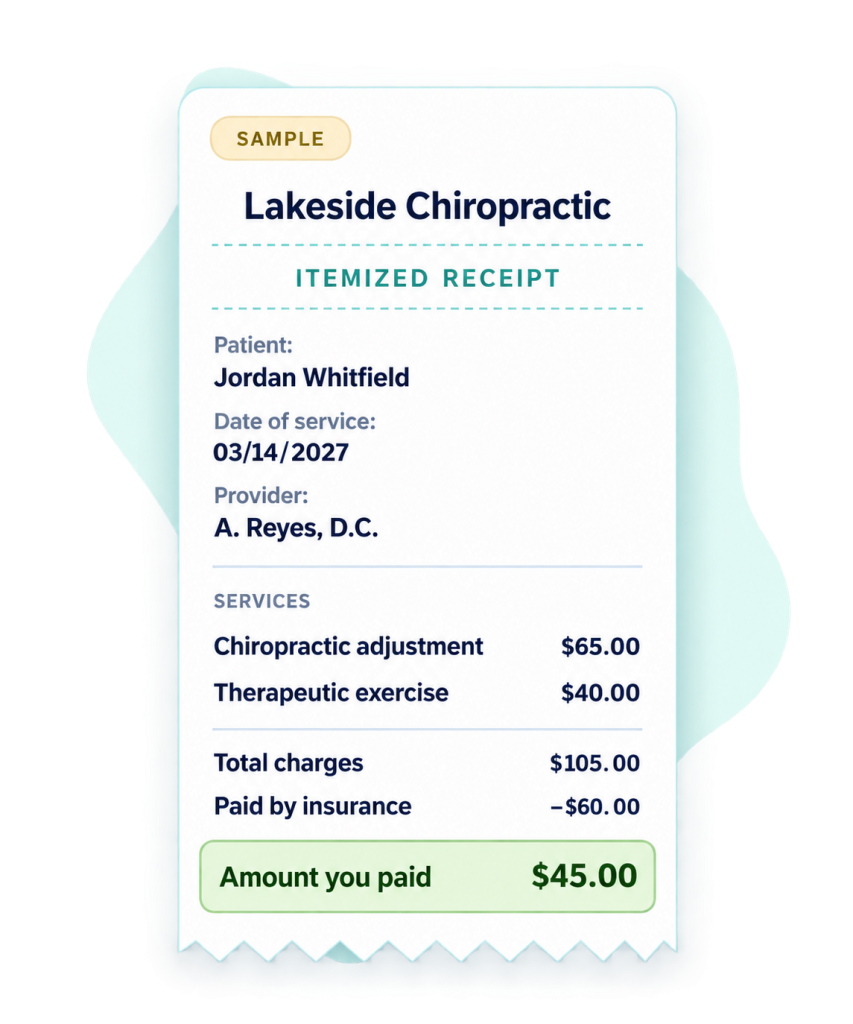
Employees submit reimbursement requests directly through the online portal. They upload an Explanation of Benefits or an itemized receipt showing the service date, type of service, and amount they are requesting.
Benafica reviews the documentation, confirms the expense is eligible under your plan, and processes the reimbursement. Expenses must be incurred during the employee’s eligible coverage period while qualifying health coverage is in place.
Your employees have one place to submit their information, and your team has fewer administrative tasks to manage.
Timing of Substantiation
Clear submission deadlines help employees know when to send in their reimbursement requests. Benafica helps establish those timelines for your plan and handles the review process through BEN360.
Employees upload their documents in the online portal, and our team checks that each expense is eligible, includes the required information, and falls within the employee’s coverage period before processing reimbursement. Your team does not need to collect receipts or review requests.
See our eligible expenses page for a complete list of what qualifies
HIPAA Privacy and Security Considerations
Protecting employee health information is part of administering an ICHRA. Employers who manage their own plan may also need to meet HIPAA requirements for keeping that information private and secure. Working with an administrator like Benafica helps keep sensitive documentation out of your team’s day-to-day workload.
What Counts as Protected Health Information (PHI)?
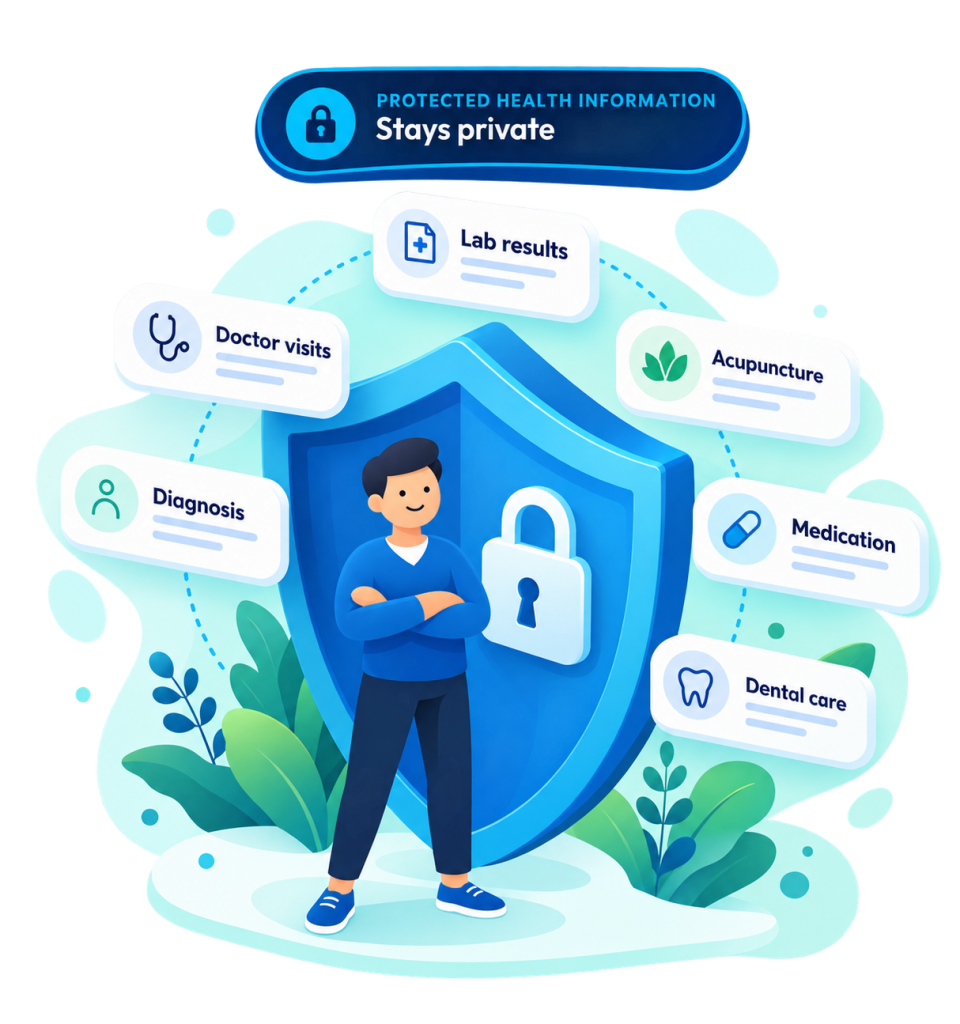
Documents employees submit for ICHRA reimbursements can include sensitive health information. Insurance records, premium statements, and medical receipts may show names, insurance ID numbers, service dates, diagnoses, or treatment details. When tied to an individual’s health coverage or care, these details can qualify as protected health information, or PHI, and need to be handled with care.
Business Associate Agreements
If you engage a third-party administrator (TPA) — like Benafica — to process ICHRA reimbursements, the TPA is a “business associate” under HIPAA. You must have a signed Business Associate Agreement (BAA) in place before sharing any PHI with the administrator. Benafica executes a BAA as part of the plan setup process with every employer client.
Keeping Employee Health Information Secure
Protecting electronic health information takes a combination of secure systems, clear procedures, and staff training. Safeguards include:
- Limiting access to people who need the information to administer the benefit
- Using encryption to protect documents when they are sent electronically
- Using individual logins, access permissions, and activity tracking
- Training staff on privacy responsibilities and how to respond to a potential breach
- Protecting devices and workspaces where health information is accessed
With Benafica, employees submit documents and reimbursement requests directly through BEN360, and our team handles the review and processing. That means less sensitive information for your team to collect, store, or manage, while supporting your plan’s privacy and security responsibilities.
IRS Reporting Requirements
Offering an ICHRA comes with annual IRS reporting requirements, and the forms you need depend on your business’s size. Under the ACA, an Applicable Large Employer (ALE) generally has an average of at least 50 full-time employees, including full-time equivalents, during the previous calendar year.
| Form | What is it? | 2026 Deadline |
|---|---|---|
| 1095-B | Reports minimum essential coverage (MEC) provided to employees through an ICHRA or other health plan. | Mar 2 (for 2025 reporting; typically Feb 28 for paper or Mar 31 for electronic filing). |
| 1095-C | Provided by Applicable Large Employers (ALEs) to report offers of health coverage under the ACA. | Mar 2 (for 2025 reporting; same rules as 1095-B). |
| 1094-B/C | Transmittal forms submitted to the IRS along with 1095-B/C forms. | Mar 2 (for 2025 reporting; same rules as 1095-B). |
| W-2 Reporting (Box 12, code DD) | Shows the cost of employer-sponsored health coverage for informational purposes (does not affect tax liability). ICHRA amounts are not included in this box if only used for premiums. | Jan 31 (to employees). |
| 720 (PCORI fee) | A federal fee assessed on self-insured health plans to fund the Patient-Centered Outcomes Research Institute. | Jul 31 (calendar-year plans). |
| 5500 (if applicable) | Annual ERISA reporting for welfare benefit plans. | Jul 31 (calendar-year plans). |
| Medicare Part D Creditable Coverage Notice | Required notice to employees eligible for Medicare. | Oct 15 (before Medicare open enrollment). |
| Section 111 MSP Report | Report to CMS on group health plan eligibility for Medicare-eligible individuals. | Quarterly |
Reporting for ALEs (50+ FTEs): Forms 1094-C and 1095-C
ALEs offering ICHRA must file Form 1094-C to summarize their filing and Form 1095-C for each employee who was full-time for at least one month, whether or not they participated.
Form 1095-C includes ICHRA offer codes and affordability information so the IRS can assess compliance with the ACA employer mandate.
Most employers must file electronically. Late, missing, or incorrect filings can result in penalties.
Reporting for ALEs (50+ FTEs): Forms 1094-C and 1095-C
Small employers that are not ALEs file Form 1094-B to summarize their filing and Form 1095-B for each employee who participated in the ICHRA for at least one month during the calendar year.
Form 1095-B reports coverage using Code G on Part I, Line 8. The same IRS filing deadlines and electronic filing thresholds apply.
W-2 Reporting
ICHRA allowances and properly substantiated, tax-free reimbursements generally do not need to be reported on employees’ W-2s. If a payment is taxable, it may need to be included as wages. Your payroll provider can help confirm the correct treatment.
PCORI Fee
ICHRA plan sponsors are required to pay the Patient-Centered Outcomes Research Institute (PCORI) fee, reported on IRS Form 720 and due by July 31 each year. The PCORI fee is assessed per covered life and is adjusted annually. For plan years ending in 2025 and 2026, the IRS issues updated fee amounts through its annual revenue procedures.
Record Retention Requirements
ICHRA compliance documentation must be retained for a minimum period to support IRS audits, Department of Labor inquiries, and HIPAA compliance reviews.
| Document Type | Minimum Retention Period |
|---|---|
| ICHRA plan documents and amendments | Duration of plan + 6 years |
| Summary Plan Descriptions (SPDs) | Duration of plan + 6 years |
| Annual employee notices | 6 years from issuance |
| Employee enrollment and opt-out elections | 6 years from the end of the plan year |
| Reimbursement claims and substantiation | 6 years from the end of the plan year |
| Forms 1094-C/1095-C or 1094-B/1095-B | 6 years from filing date |
| Business Associate Agreements (BAAs) | 6 years from termination |
| PCORI fee filings | 6 years from filing date |
The IRS recommends a record retention period of seven years for benefit plan documentation, which serves as a practical safe harbor for ICHRA records given potential audit lookback windows. HIPAA’s Privacy Rule independently requires that all compliance documentation be retained for six years from creation or the last effective date. BEN360 maintains a time-stamped history of notices, employee elections, reimbursement requests, and decisions, so your documentation is easy to access when needed.
Common ICHRA Compliance Mistakes
- Missing the 90-Day Notice Deadline
- Incomplete Notice Content
- Accepting Unsubstantiated Claims
- Incorrect Employee Class Design
- Failing to File ACA Reporting Forms
- Not Executing a Business Associate Agreement
Take the Compliance Risk Off Your Plate
ICHRA comes with important rules, but managing the details does not have to take over your day. Benafica combines hands-on support with our BEN360 platform to help keep your benefit running smoothly.
- Employee notices: Preparing personalized notices and keeping delivery records.
- Reimbursement reviews: Checking documentation and confirming expenses are eligible before processing payment.
- Enrollment and opt-outs: Keeping employee decisions organized and recorded.
- IRS reporting: Helping coordinate the forms required for your business.
- Secure records: Maintaining plan documents and a clear history of benefit activity.
- Privacy and security: Handling sensitive employee information with appropriate safeguards and a Business Associate Agreement.
- Rule updates: Monitoring federal guidance and updating our processes as requirements change.
Compliance FAQ
Did the name change to “CHOICE Arrangement” change any compliance rules?
No. In September 2026, the federal government began calling ICHRA a CHOICE Arrangement, but the rules behind it didn’t change. Your notices, reporting, and plan design requirements stay the same.
Do I need a plan document and Summary Plan Description?
Yes. Because an ICHRA is an ERISA plan, you need a written plan document and an SPD for participants. Benafica prepares both as part of plan setup.
What IRS forms do I file for an ICHRA?
Applicable large employers report their ICHRA offers on Forms 1094-C and 1095-C. Unlike a QSEHRA, an ICHRA currently has no W-2 reporting requirement.
How do employees prove they have qualifying coverage?
Most employees enroll through BEN360, which only shows qualifying health plans, so coverage verification is built into the process. If an employee purchases coverage elsewhere, they can submit their coverage and premium documents through the portal for Benafica to review.
Is the ICHRA subject to the PCORI fee?
Generally, yes. Employers sponsoring an ICHRA typically pay the annual PCORI fee, filed on Form 720. Your tax advisor can confirm the amount and filing deadline.
Who can see my employees’ health information?
Employees’ protected health information is covered by HIPAA. Benafica handles claims and substantiation, so employers don’t see details like diagnoses, medications, or doctor visits.
Do ICHRA notice requirements apply to new hires?
Yes. New hires who become eligible after the annual notice is sent must receive an ICHRA notice no later than the date their benefit can first take effect. They do not need 90 days of advance notice, but providing it early gives them more time to choose coverage. Benafica helps prepare their personalized notice through BEN360.
Which compliance tasks does Benafica handle for employers?
Benafica handles the day-to-day ICHRA compliance and administration, including employee notices, coverage verification, reimbursement reviews, and recordkeeping. You handle tax form filing, and we can connect you with our tax partner for support.
BEN360 keeps you in the loop with monthly payment details, enrollment status, reimbursements, and on-demand reports. You get a clear view of your benefit while we handle the details.
Does Benafica provide tax or legal advice?
No. Benafica provides administrative and reporting support, but employers remain responsible for reviewing and filing their required tax forms and should consult a tax advisor about their specific obligations. We can refer you to a preferred partner.
Related ICHRA Guides
Get in Touch with Benafica
Benafica’s team of ICHRA specialists has helped employers across the country design, launch, and administer compliant ICHRAs. Our BEN360 platform was purpose-built for this work.
Benafica is an ICHRA and QSEHRA administration company and Third-Party Administrator (TPA) based in St. Paul, MN. This content is for educational purposes and does not constitute legal or tax advice. Compliance requirements, reporting deadlines, and penalty amounts may change. Consult a qualified benefits advisor, tax professional, or legal counsel for guidance specific to your organization.